Introduction: The Quiet Revolution of Foam in Sleep
In recent decades, foam pillows have evolved from simple cushioning to sophisticated sleep technologies. The industry now blends chemistry with biomechanics to deliver products that cradle the head, support the neck, and regulate temperature across sleep positions. This article surveys how leading brands—Aireloom, Naturepedic, Sleep and Beyond, Obasan, and others—engineer foam pillows for longevity, comfort, and health benefits.
We anchor our examination in brand-led benchmarks, comparing foam density, venting patterns, and cover materials. We then dissect cooling strategies—gel-infused foams, open-cell structures, and phase-change materials—before offering a practical buying checklist that empowers readers to select the best foam pillow for neck support and durable performance.
Brand Fundamentals: How Density, Venting, and Covering Shape Experience
Memory foam, at its core, is a viscoelastic material that softens with heat and returns to its original shape after unloading. The density of the foam—measured in pounds per cubic foot (PCF)—influences support, resilience, and lifespan. Higher-density foams typically offer greater support and slower recovery, translating into longer-lasting contouring that resists sagging. Brands like Aireloom leverage high-density foams to deliver a stable cradle for back and side sleepers, while maintaining a softer surface through ergonomic contouring. In contrast, entry-level memory foams or lower-density foams may feel “sulpier” or less durable over time, especially for heavier sleepers or chronic neck stiffness.
Ventilation is another cornerstone. Open-cell foams—airier foams with interconnected pores—promote airflow, reducing heat buildup. Gel-infused foams introduce a second phase that can absorb heat before releasing it, creating a cooler sleeping experience. Brands like Obasan and Naturepedic experiment with gel-infused and breathable covers to balance temperature regulation with conforming support. In practical terms, a pillow with superior venting will feel cooler in the early morning hours and maintain form across seasonal shifts.
Cover materials also matter. A breathable, washable cover—often Tencel or cotton blends—enhances moisture management and hygiene, while contributing to the perceived softness of the pillow’s surface. When brands couple high-density foam with premium covers, the result is a sleep surface that balances pressure relief with a smooth, non-irritating feel against the skin. The Aireloom Nimbus Visco High Profile Pillow, for instance, exemplifies a high-profile memory foam option wrapped in a breathable cover designed to wick moisture and regulate temperature.
Gel-Infused and Open-Cell Technologies: Cooling Without Compromise
Gel-infused foams embed cooling agents within the foam matrix, absorbing heat from the contact zone and diffusing it away as you move. They often accompany open-cell structures to improve breathability, ensuring a more even temperature distribution across the pillow. For back sleepers, this pairing can keep neck and head alignment comfortable without sacrificing contouring fidelity. For side sleepers, the combination supports elevated positions while cushioning the jaw and neck.
In brand literature, this technology translates into practical outcomes: less overnight heat buildup, improved sleep quality, and longer-lasting shape. Sleep and Beyond’s MyDual Side Pillow demonstrates how natural fibers and adaptable fills can accompany foam cores to deliver bespoke support for side sleepers, with an emphasis on adjustability and long-term comfort. Obasan’s latex-wool designs illustrate a complementary approach where a foam-like contour is achieved through latex with natural temperature regulation, pairing resilience with breathability.
A Quick Buying Checklist: What to Look For
- Density and support: High-density memory foam tends to offer long-term contouring and better neck support. Consider your weight, sleeping position, and preferred loft when evaluating density options.
- Core construction: Look for multi-layer designs that provide a stable base with a contouring top layer. Pillows that combine foam with down-alternative or wool filaments can offer a balanced feel and robust loft.
- Ventilation: Open-cell foams and gel-infused variants enhance airflow. Check for venting channels or breathable covers that promote temperature regulation.
- Cover materials: Seek breathable, washable covers in natural fibers like cotton or Tencel blends for hygiene and feel.
- Allergies and safety: Hypoallergenic foams and certifications (e.g., Oeko-Tex) reduce exposure to potential irritants. For sensitive sleepers, non-toxic formulations are worth prioritizing.
- Durability and care: A pillow’s longevity is tied to foam resilience and its ability to recover shape after compression. Regular rotation and proper washing, per manufacturer guidelines, extend life.
Case Studies: Memory Foam Across Four Brands
Aireloom Nimbus Visco High Profile
A high-profile memory foam cushion designed for neck and shoulder comfort. It emphasizes deep contouring with a surface that remains responsive to movement, ensuring alignment for back and side sleepers alike. The pillow’s cover is a breathable, washable fabric that manages moisture and temperature for a cool night’s rest.
Naturepedic Organic Wool Pillow
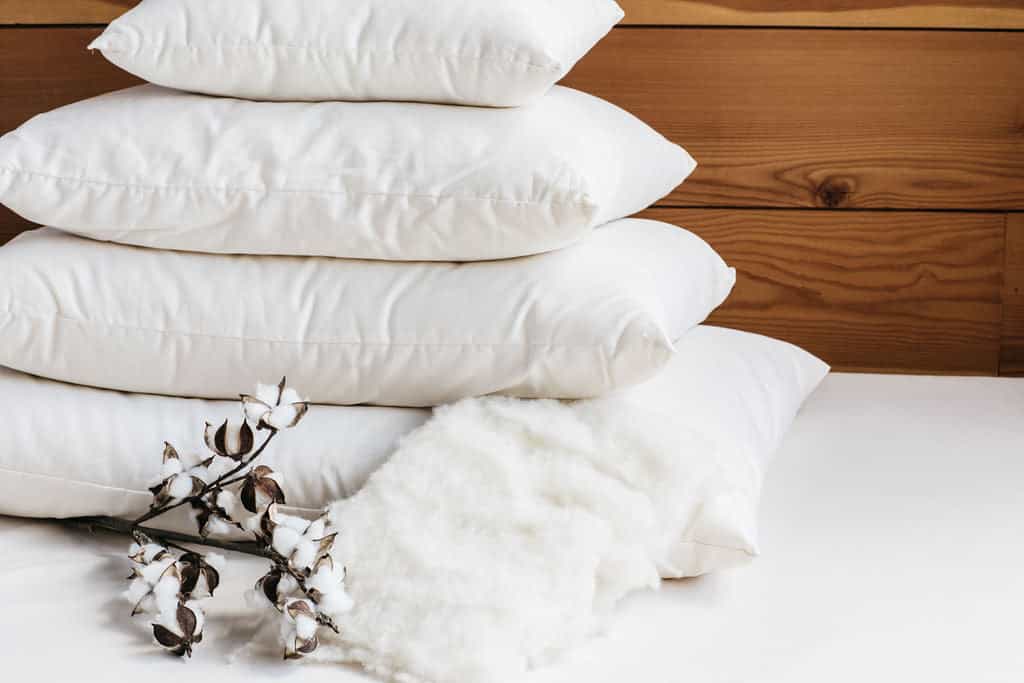
A wool-filled option that leverages natural temperature regulation to wick away heat. Although wool is not a foam, its inclusion here demonstrates how brands blend materials to achieve balanced comfort and support, ultimately providing a foam-adjacent contour with a more breathable core.
Sleep and Beyond MyDual Side Pillow
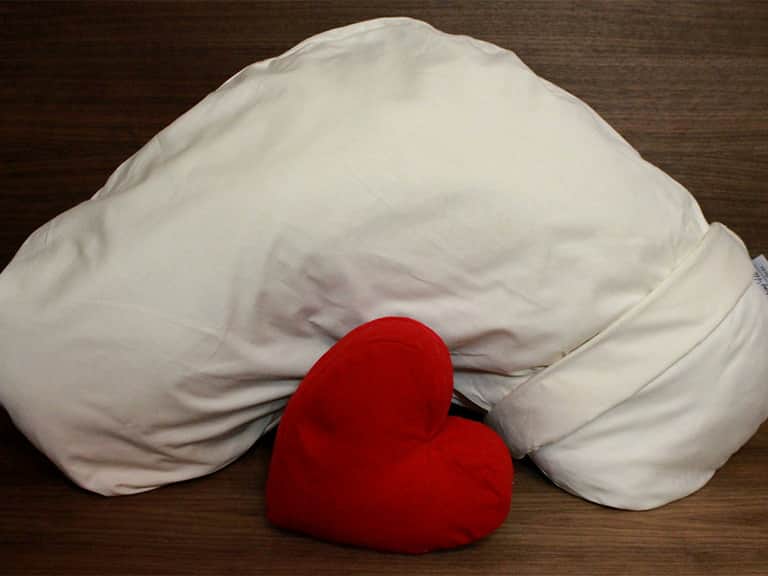
A side-sleeper oriented design with natural wool puffs and a washable cotton-sateen cover. The pillow’s adjustable fill demonstrates the importance of customizing loft and neck support for long-term comfort, illustrating how foam-based designs can be complemented by natural-fill components for optimized ergonomics.
Obasan Deluxe Organic Latex and Wool Pillow
A hybrid approach combining latex and wool provides responsive support with effective temperature regulation. This demonstrates how foam-like contouring can be achieved with alternative materials to yield a breathable yet supportive sleeping surface.
Key Figures in the Foam Pillow Narrative
Across eras, individuals have shaped the understanding of comfort, ergonomics, and sleep. Three time-spanning figures illuminate the enduring human quest for rest:
- Sir James Dyson (1947– ), contemporary inventor and designer: While best known for vacuum technology, Dyson’s approach to airflow, heat management, and material science resonates with foam pillow design. His emphasis on iterative testing and modular components mirrors how foam pillow brands stress density testing, vent design, and cover materials to optimize cooling and support.
- Dr. William C. Dement (1928–2020), sleep pioneer: A founder of modern sleep science, Dement’s exploration of sleep stages and essential sleep health informs contemporary foam pillow research. His legacy underscores the importance of alignment, posture, and rest in ensuring cognitive and physical wellbeing—principles echoed in ergonomic pillow design and the pursuit of restorative sleep.
- Dr. Michael J. Breus (1960– ), clinical psychologist and sleep expert: Known as “The Sleep Doctor,” Breus has popularized practical sleep hygiene and position-aware guidance. His work resonates with the brand-led emphasis on tailoring foam pillows to sleeping positions and personal comfort preferences, highlighting real-world implications of pillow choices on neck health and daytime functioning.