Memory foam pillows are designed to contour to the shape of the head and neck, providing balanced support and pressure relief. The material responds to body heat to soften gradually, promoting alignment of the cervical spine. This category highlights various models that emphasize durability, motion isolation, and long-term comfort for different sleep positions.
Key features to consider include density, firmness levels, and the presence of ventilation channels or cooling covers. Memory foam pillows often employ open-cell structures or gel-infused foams to enhance airflow and regulate temperature. Proper selection supports snoring reduction, reduced shoulder strain, and improved postural alignment during sleep.
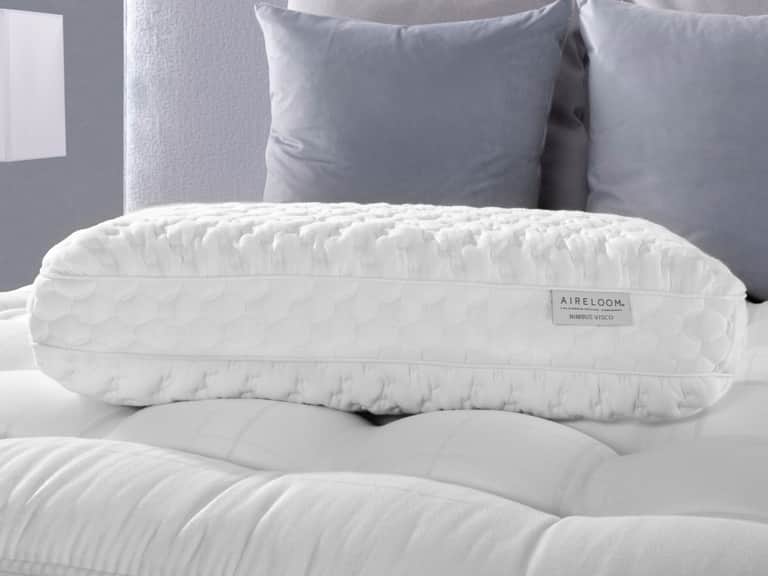
The Aireloom Nimbus Visco High Profile Pillow exemplifies a high-profile memory foam option with tailored contouring. It offers substantial neck support while maintaining a plush surface, making it suitable for back and side sleepers. Functional benefits include consistent shape recovery and resistance to sagging over time, supporting dependable nightly comfort.
In evaluating memory foam pillows, consider how the pillow responds to movement and how easily it recovers after shifting during sleep. Some designs incorporate removable, washable covers and hypoallergenic foams to reduce dust-mite exposure. The goal is a breathable, durable product that maintains form without excessive heat buildup.
For bedding applications, memory foam pillows complement other sleep products such as latex pillows and comforters by supporting a balanced sleep environment. Understanding pillow height, density, and cover materials helps users optimize alignment, reduce pressure points, and sustain restful, uninterrupted sleep across different seasons and sleeping positions.
 Bedding